Press Releases
AI Caucus Co-Chair Beyer Response To Trump’s AI Order
Washington,
December 11, 2025
Tags:
Science and Innovation
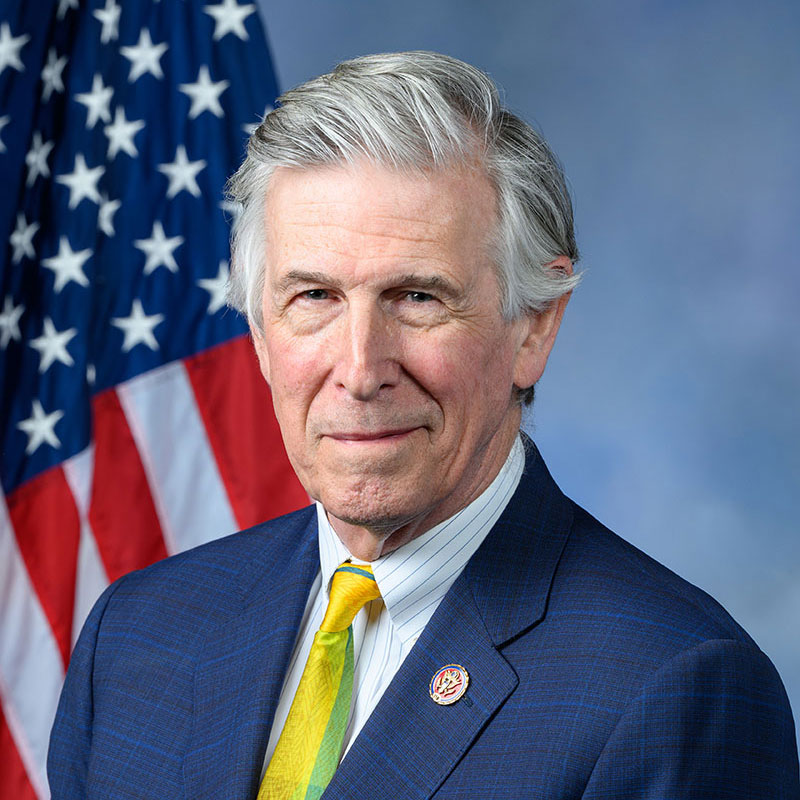
Congressman Don Beyer (D-VA), co-Chair of the bipartisan Congressional Artificial Intelligence Caucus, today issued the following statement on President Trump’s executive order targeting state regulations on artificial intelligence: “President Trump’s AI order is an attempt to kill responsible safety reforms passed by states, which would create a lawless Wild West environment for AI companies that puts Americans at risk. This is a terrible idea. “Congress has been slow to respond to the AI revolution and in the absence of a strong federal response, states are wisely taking the lead to create guardrails and protect the public. Trump’s attempt to undo this progress without providing any federal regulatory protections would be extremely harmful. A moratorium on state legislation will reduce the likelihood of Congressional action as well, which is the unstated goal of this Executive Order. Moreover, his attempt to block state laws through federal coercion likely violates the 10th Amendment, and as such constitutes an unconstitutional abuse of power. “The first attempt to pass this harmful AI moratorium policy in the One Big Beautiful Bill failed because of robust bipartisan opposition. Trump is using this executive order to bypass this opposition in both chambers of Congress. Hostility on Capitol Hill to this damaging and irresponsible policy remains strong, and I am actively exploring legislative options with members in both chambers and both parties in response to this order.” Rep. Don Beyer (D-VA) serves as co-Chair of the Congressional Artificial Intelligence Caucus. He was one of a handful of members selected to serve on the bipartisan Task Force On Artificial Intelligence, convened by House Democratic Leader Hakeem Jeffries and Speaker Mike Johnson. He is the author of the AI Foundation Model Transparency Act and a lead cosponsor of the CREATE AI Act, the Federal Artificial Intelligence Risk Management Act, and the Artificial Intelligence Environmental Impacts Act. Beyer previously served for eight years on the House Committee on Science, Space, and Technology, and is currently attending George Mason University as a part time student pursuing a master’s degree in machine learning, in part to help inform his work on AI in Congress. |