Articles
‘DOGE and Musk Were Gonna Have a Big Impact’: Federal Job Cuts Shake the Capital Region
Washington,
March 23, 2025
Tags:
Federal Employees
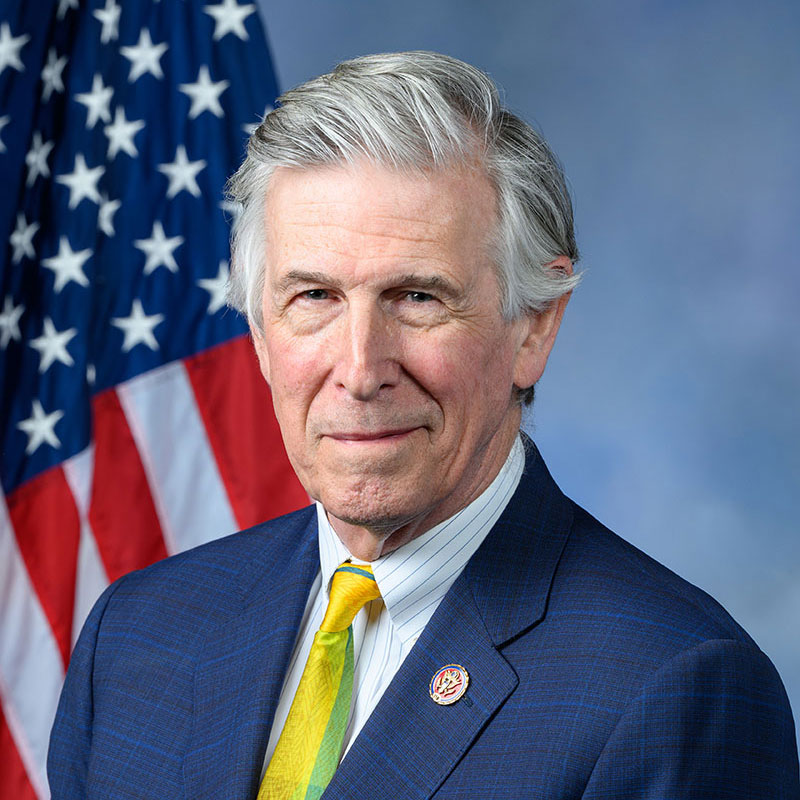
Originally published in: POLITICO Political leaders across the Washington region are scrambling to find a place for government workers President Donald Trump is trying to fire, part of a mad dash to protect the region’s economy that relies on serving the federal workforce. Officials from the District of Columbia, Maryland and Virginia have been mobilizing their resources to build a safety net, trying to offer fired federal workers positions elsewhere. Websites sprawling with links on everything from filing for unemployment to postings for local jobs have gone up for all the major counties in the area, and officials are trying to hire as many former federal officials as they can in state and local government. “It was obvious from the beginning that DOGE and Musk were gonna have a big impact on the workforce in Northern Virginia, and really the whole DMV,” Rep. Don Beyer (D-Va.) told POLITICO at a job fair he set up in the Washington suburb of Arlington for laid off feds, using a nickname for the region. “We want to try to keep them here as best we can.” The loss of jobs for potentially hundreds of thousands of federal workers would be devastating for the area’s future. The unemployment rate is inching up already in Washington, and the administration is exploring selling federal buildings in the city. The District’s budget projected as many as 40,000 fewer federal jobs, descending the city into a “mild recession” in 2026. After a slower start — many regional leaders were in wait-and-see mode shortly after Trump was inaugurated, with few concrete preparations for mass layoffs — officials are now trying to lure workers to stay in the region. D.C. Mayor Muriel Bowser earlier this month announced the city would expedite the hiring process for federal workers looking to move to city government jobs. Maryland Gov. Wes Moore also unveiled an omnibus recruitment package, including virtual job fairs to siphon federal workers to the state’s growing education, biotechnology and cybersecurity sectors. And Virginia Gov. Glenn Youngkin — a Republican and a backer of Trump who has thrown support behind DOGE — launched a “Virginia Has Jobs” campaign to promote the state, with his office noting many Virginians are “concerned about the impact of the federal workforce realignment on their careers.” The funneling of local resources reflects the intensifying unease among area leaders that the mass firings may trigger an exodus of workers, which would cause an outsized economic hit to the D.C. region. Some of these firings have since been overturned by federal judges, who have deemed the actions illegal and ordered the Trump administration to rehire some probationary employees. But that doesn’t stop the threat of greater cuts down the line. “What I have seen in these past six weeks is worse than anything we could’ve anticipated,” Moore said in a press conference earlier this month. Youngkin’s office did not respond to a request for comment, while a spokesperson for Bowser pointed to her recent press conferences. Moore’s office directed POLITICO to state Labor Department Secretary Portia Wu, who said worsening federal workforce cuts prompted the state to escalate efforts in recent weeks. “We’re here to be responsive to the need,” Wu said. “We know there are people addressing these on many fronts. Some people are disputing them. There’s litigation, but I think the main thing is we want [federal workers] to have the resources out there so people can access them.” Beyer has been meeting with local leaders in northern Virginia government for weeks to coordinate a response, he told POLITICO. They organized a resource fair to get essential services all in one room, the first of its kind in Arlington County. A local high school was festooned with flyers, posters covered in QR codes for local jobs, booths with unemployment resources, mental health services, child care options and more. Over a thousand people visited, according to Beyer’s office. It may be particularly difficult for the District of Columbia to follow through on promises to hire workers because of its unique ties to Congress, which maintains the authority to modify the city’s budget. Congress’ interim spending bill would force the city to revert to its fiscal 2024 budget and cleave its budget by $1.1 billion, which Bowser said could prompt a hiring freeze and layoffs. “Disrupting those investments won’t be good for D.C., for our country,” Bowser said at a press conference earlier this month about the stopgap budget. “The thing about mistakes is that they can be corrected, and there’s time to do that.” Congress is currently weighing a separate bill that could restore the District’s funds. It passed the Senate earlier this month and now sits in the House, which Bowser has spent the past days lobbying. The pressure on local resources is set to grow, as the worst of the layoffs may be yet to come. Departments and agencies are due to implement a widespread reduction in workforce in early April. Thousands of federal workers stand to join the already fired probationary employees and the other tens of thousands that accepted buyouts. But local leaders say they’re already preparing for the fallout. “This problem is not going to be gone in two weeks or a month,” Beyer said. “We want to keep the Northern Virginia economy really strong.” |